When a game promises the moon and delivers a crater, someone always pays. In the case of Peter Molyneux—once hailed as a godfather of British gaming—that cost wasn’t just emotional. Real players, backers, and investors opened their wallets for visions that never materialized. Fable, Godus, and Curiosity: each carried Molyneux’s hallmark overpromises. Each left a trail of financial wreckage. This isn’t just about disappointment. It’s about people who bet on genius and lost.
The Rise and Overreach of a Gaming Visionary
Peter Molyneux built his reputation on innovation. Populous. Theme Park. Black & White. Fable. These weren’t just games—they were statements. He didn’t just design mechanics; he sold dreams. By the 2010s, his name alone could launch a crowdfunding campaign. But somewhere between innovation and ego, the promises began to outpace reality.
At Lionhead Studios, Molyneux pushed boundaries with Fable, a game that promised moral complexity and player-driven evolution. The marketing was intoxicating: every choice mattered. In practice, players found a shallow morality system and scripted outcomes. Still, it sold. The brand held. But the cracks were forming—between what was promised and what shipped.
Then came the collapse.
Godus: The Kickstarter That Became a Cautionary Tale
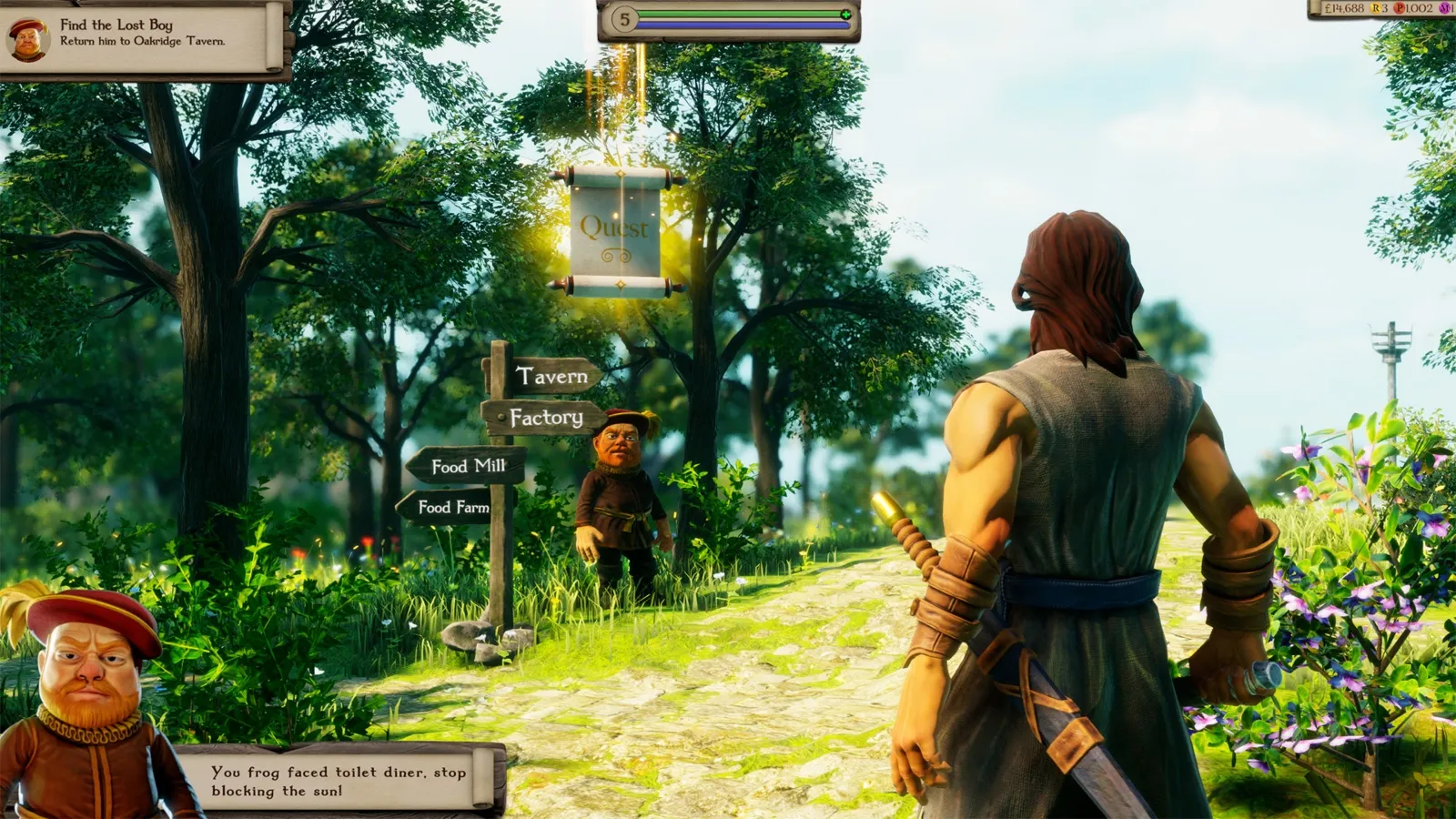
In 2012, Molyneux launched a Kickstarter for Godus, a spiritual successor to Populous. The pitch? A god game where players sculpted entire civilizations, influenced by real-time player choices and a blockchain-like “belief” system. It raised over £500,000—well beyond its initial goal.
Backers weren’t just buying a game. They were buying into Molyneux’s vision: a living world shaped by collective will, with permanent historical records and emergent storytelling. Tiered rewards promised early access, name inclusion in the game’s pantheon, and even influence over development.
But Godus never delivered.
The final product, released in 2014, was a stripped-down, pixel-art idle game. No multiplayer. No persistent world. No dynamic civilizations. Instead: tap-to-expand zones, repetitive mechanics, and a broken roadmap. The “belief” system? Absent. The promised updates? Delayed for years, then quietly abandoned.
Who Lost Money—and How Much?
Exact figures are scarce, but based on backer tiers and distribution:
- Over 13,000 backers pledged an average of £40–£60.
- Top-tier investors paid £300–£500 for “Eternal Disciples” status—offering lifetime input on updates.
- Some private investors reportedly funneled additional six-figure sums post-Kickstarter, expecting equity or revenue shares.
One UK-based developer, who backed at the £500 tier, admitted: “I thought I was investing in the future of god games. What I got was a mobile clicker with delusions of grandeur.”
Another backer, a teacher from Manchester, spent £320 across multiple entries. “I backed it for my students—wanted to show them emergent design in action. Instead, I showed them how promises can evaporate.”
Curiosity: The Cube That Ate a Million Wallets
Before Godus, there was Curiosity – What’s Inside the Cube? (2012). On the surface, a simple mobile game: tap a cube millions of times to uncover its center. The twist? One player would win “something special.” Molyneux called it “a psychological experiment.”
Players tapped. And tapped. And paid.
To speed progress, users bought “power-ups” through in-app purchases. Some spent tens, even hundreds of pounds. The cube required over four trillion taps to solve. Community efforts spanned months.
When the cube was finally opened in 2013, the winner received—nothing tangible. Just a cryptic message and a promise of future involvement in Molyneux’s next project. The “something special” was vaporware.
Real Cost of a Digital Mirage
- Estimates suggest over $1 million in in-app purchases globally.
- No refunds. No prize. Just a broken promise wrapped in behavioral psychology.
- One Swedish player, Erik Johansson, admitted to spending £180 over three months. “I wasn’t chasing a prize,” he said. “I was chasing the idea that I could be the one. That’s what they sold.”
The game was later revealed to be a marketing stunt for Godus, making the financial sting even more bitter.
The Ripple Effect on Trust and Crowdfunding
Molyneux’s failures didn’t just burn individuals. They damaged the credibility of gaming crowdfunding.
Kickstarter’s video game category once thrived on visionary pitches. After Godus, skepticism soared. Backers started demanding prototypes, strict milestones, and third-party audits. Platforms tightened rules. The era of “trust us, we’re geniuses” ended.
Developers now face higher scrutiny. A 2020 analysis of failed Kickstarter games found that 68% of post-Godus cancellations cited “lack of transparency” as a primary concern—echoing the Molyneux backlash.
One indie studio founder noted: “We had to show our code, our roadmap, weekly updates. All because one icon broke trust for everyone.”
Behind the Scenes: Why Molyneux’s Promises Kept Failing It wasn’t malice. It was mismanagement.
Multiple former Lionhead and 22cans employees have spoken anonymously about Molyneux’s development style:
- Last-minute feature shifts: Core mechanics were scrapped weeks before deadlines.
- Overreliance on vaporware demos: Presentations showed idealized versions—unbuildable with current tech.
- No technical grounding: Molyneux, a designer, not a coder, often dismissed engineering constraints.
One ex-lead programmer said: “He’d walk in Monday and say, ‘We’re adding time travel to the god mechanics.’ We’d spend the week explaining why it would break the server. He’d say, ‘Just make it work.’ We couldn’t.”
The gap between vision and execution became a chasm. And players paid the price.
The Human Toll: When Passion Becomes Financial Pain
It’s easy to dismiss backers as overeager fans. But many weren’t just gamers—they were investors, educators, and creators who saw potential.
Take Sarah Lin, a game design lecturer in Edinburgh. She backed Godus at £250, planning to use it in her emergent systems course. “I wanted students to see procedural storytelling in action. Instead, I had to teach a case study in failed delivery.”
Or Marcus Reed, a freelance developer who invested time and money into the Godus modding community—only to watch it die when promised APIs were never released. “I spent six months building tools. For what? A dead end.”
These aren’t anecdotes. They’re patterns. The emotional labor of believing—and the financial hit when belief fails—is rarely discussed.
Why This Story Still Matters
Gaming is no longer just entertainment. It’s an economy. Crowdfunding, in-app purchases, NFTs, play-to-earn—players are now stakeholders. When creators overpromise, they’re not just disappointing fans. They’re violating financial trust.
Molyneux’s legacy isn’t just Fable or Dungeon Keeper. It’s a warning: charisma without accountability is dangerous. Vision without execution is fraud.
And the players who lost money? They’re not outliers. They’re the first wave of a new kind of consumer—investors in digital dreams, with no legal recourse when those dreams collapse.
Lessons from the Fallout
If you’re backing a game—or investing in any creative tech project—here’s what the Molyneux saga teaches:
- Demand prototypes, not promises. If it’s not playable, it’s not real.
- Check the team’s track record. Past delivery matters more than charisma.
- Beware of “revolutionary” claims. If it sounds too good to be true, it is.
- Avoid high-tier pledges without contracts. “Influence” is not equity.
- Assume it won’t ship. Back for fun, not ROI.
The gaming world has moved on. Molyneux stepped back from 22cans in 2017. Godus limps along with minimal updates. But the scars remain.
Conclusion: Trust Is the Most Expensive Currency
The players who lost money on Peter Molyneux’s failed legacy weren’t fooled by slick marketing. They were seduced by possibility. They believed in the dream of games as living, evolving worlds. And they paid for that belief.
Their losses weren’t just financial. They were emotional, professional, and educational. But from their experience, a critical lesson emerges: in the age of crowdfunding and digital investment, trust must be earned—not assumed.
Before you click “pledge,” ask: what happens if this never ships? Because for thousands of backers, that question came too late.
FAQ
What should you look for in The Cost of Believing: Players Burned by Molyneux’s Broken Promises? Focus on relevance, practical value, and how well the solution matches real user intent.
Is The Cost of Believing: Players Burned by Molyneux’s Broken Promises suitable for beginners? That depends on the workflow, but a clear step-by-step approach usually makes it easier to start.
How do you compare options around The Cost of Believing: Players Burned by Molyneux’s Broken Promises? Compare features, trust signals, limitations, pricing, and ease of implementation.
What mistakes should you avoid? Avoid generic choices, weak validation, and decisions based only on marketing claims.
What is the next best step? Shortlist the most relevant options, validate them quickly, and refine from real-world results.