Iran is moving fast—and quietly—on the diplomatic front. While much of the world focuses on Washington’s rhetoric, Tehran has been weaving a complex web of alliances, reopening long-frozen dialogues, and positioning itself as a regional broker. At the same time, Donald Trump continues to insist the U.S. “has the cards” in any negotiation, echoing his transactional worldview. But is that still true?
The current moment reveals a paradox: a sanctioned, isolated nation expanding its global influence through diplomacy, while the world’s most powerful military power relies increasingly on bluster. This isn’t just theater—it’s a recalibration of power in the Middle East, and the implications go far beyond nuclear talks.
The Scope of Iran’s Diplomatic Flurry
Over the past several months, Iran has engaged in high-level talks with adversaries, neighbors, and distant powers alike. These aren’t symbolic gestures—they signal strategic repositioning.
- China and Russia: Iran signed a 25-year cooperation agreement with Beijing, covering energy, infrastructure, and security. While the scale of investment has been debated, the political message is clear: Iran has alternatives to Western engagement.
- Gulf Neighbors: Quiet talks with Saudi Arabia—brokered by Iraq and Oman—have eased direct tensions. The two countries even restored diplomatic ties after a seven-year freeze.
- Türkiye and Central Asia: Iran has deepened trade and border cooperation with Ankara, while also reaching out to post-Soviet republics like Azerbaijan and Turkmenistan.
- Global South Outreach: Diplomatic missions to Venezuela, Bolivia, and several African nations aim to build blocs outside U.S.-led institutions.
This isn’t reactive diplomacy. It’s a long-term effort to break isolation, diversify alliances, and create leverage—especially as nuclear negotiations stall.
Why Now? The Timing Behind Iran’s Moves
Iran’s timing is deliberate. With the Biden administration’s Iran policy stuck in limbo and Trump signaling a return, Tehran is hedging its bets.
Domestically, the regime faces pressure. Economic stagnation, youth unrest, and declining public trust demand tangible wins. Foreign policy victories—like rapprochements or trade deals—allow leaders to project strength.
Internationally, the war in Ukraine has fractured Western unity. Russia’s need for drones and diplomatic support has made Iran a valuable, if uneasy, partner. Meanwhile, Europe remains preoccupied with energy security and migration—reducing pressure on Iran.
The message is subtle but clear: Iran isn’t waiting for U.S. permission to re-engage.
Trump’s “We Have the Cards” Doctrine—Still Valid?
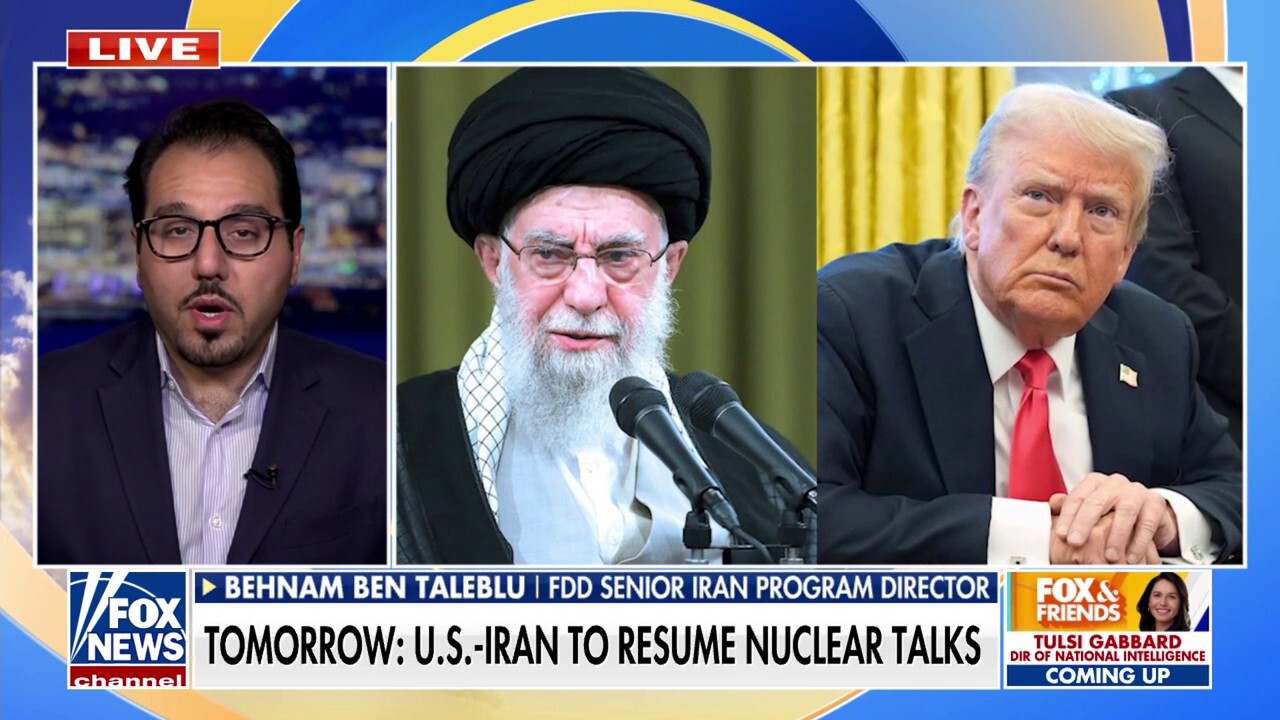
Trump’s mantra during his 2017–2021 presidency was simple: maximum pressure wins. Withdraw from the JCPOA (Iran nuclear deal), re-impose sanctions, and wait for Tehran to beg for negotiations. “We have the cards,” he said repeatedly.
And for a while, it seemed to work. The rial collapsed. Oil exports dipped. Protests flared.
But Iran didn’t capitulate. Instead, it adapted—expanding covert operations, advancing its nuclear program, and building non-dollar trade mechanisms. By 2023, Iran was enriching uranium to 60%, close to weapons-grade. Diplomatically, it had more doors open than at any point since the 2015 deal.
Now, as Trump campaigns on a return to “America First” policies, his insistence that the U.S. holds all leverage looks increasingly detached from reality.
The Limits of Sanctions-Only Strategy
Sanctions remain a powerful tool—but they’re not infinite. Iran has learned to endure them.
- Smuggling and Evasion Networks: Via the UAE, Iraq, and Armenia, Iranian oil reaches global markets under false labels.
- Barter and Cryptocurrency: Iran trades oil for goods, uses digital assets to bypass SWIFT, and builds alternative payment rails.
- Regional Proxies: Hezbollah, the Houthis, and Iraqi militias allow Iran to project power without direct military exposure.
The U.S. can choke off formal channels, but it can’t fully seal a country with $1 trillion in proven oil reserves and deep regional ties. Sanctions hurt—but they also harden resistance.
Diplomacy vs. Deterrence: Competing Visions for Iran Policy
The current clash isn’t just between two nations. It’s between two philosophies of power.
Iran’s approach: Build resilience through multipolar alliances. Use diplomacy to break isolation, even while advancing military capabilities. Play the long game.
Trump’s approach: Assert dominance through unilateral action. Assume economic pain will force surrender. Prioritize short-term leverage over sustainable outcomes.
Neither model is flawless—but the world has changed since 2018.
Case Study: The Saudi-Iran Rapprochement
In March 2023, Saudi Arabia and Iran agreed to restore diplomatic relations, ending years of proxy conflict. The deal was brokered by China—an outcome that shocked Washington.
Why does this matter?
- It shows that regional powers are solving problems without U.S. involvement.
- It demonstrates China’s growing diplomatic clout in the Middle East.
- It undermines the idea that the U.S. controls the region’s security architecture.
When two bitter rivals reconcile while the U.S. watches from the sidelines, something has shifted.
Iran didn’t achieve this through military force. It used backchannel diplomacy, mutual economic interest, and a shared desire to reduce regional volatility. Meanwhile, Trump’s “maximum pressure” strategy had no answer.
The Nuclear Question: Stalled Talks, Rising Stakes
The JCPOA remains in limbo. Efforts to revive it have collapsed over issues like sanctions relief scope and IAEA inspections.
But Iran hasn’t stopped its nuclear activities. On the contrary:
- Uranium enrichment continues at multiple sites, including Fordow (deep underground).
- Centrifuge numbers have increased significantly.
- IAEA access remains restricted at several locations.
Iran claims its program is peaceful. The U.S. and Israel see a de facto nuclear threshold state.
Yet, even here, diplomacy persists. Indirect talks continue through European intermediaries. Oman and Qatar shuttle messages. Even with no formal agreement, both sides avoid crossing red lines—suggesting a tacit understanding: full escalation benefits no one.
What Trump’s Return Could Mean
If Trump wins in 2024, expect a return to “maximum pressure 2.0.” But the context is different.
- Europe is less willing to follow U.S. sanctions unilaterally.
- Global south nations are resistant to U.S.-led economic coercion.
- Iran’s nuclear program is far more advanced than in 2018.
A second Trump term might bring louder rhetoric—but less actual leverage. Iran has already absorbed the worst of sanctions. The margin for additional pressure is thin.
Moreover, allies may not follow. Germany and France want stability, not another crisis. Even Israel, while hawkish on Iran’s nukes, is wary of uncoordinated strikes.
Real-World Implications: Energy, Security, and Alliances
This isn’t just about nukes or speeches. The Iran-U.S. standoff affects real economies and conflicts.
Energy Markets

Iran holds the fourth-largest oil reserves globally. If sanctions ease—even partially—supplies could rise, affecting global prices. But for now, Iranian crude moves through shadow fleets and murky networks.
Trump’s threats of “crippling sanctions” may deter some buyers, but others—like China—don’t care. In fact, they benefit from discounted oil.
Regional Conflicts
From Yemen to Syria, Iran-backed groups shape outcomes. A more diplomatically confident Iran can negotiate from strength—or escalate if provoked.
For the U.S., this means fewer off-ramps in ongoing conflicts. Deterrence becomes harder when your opponent has multiple avenues of influence.
Alliances in Flux
Gulf states are hedging. The UAE strengthens ties with Israel while also trading with Iran. Saudi Arabia seeks security from the U.S. but economic partnerships with China.
The old model—where Middle Eastern powers relied solely on Washington—is eroding. Iran’s diplomacy exploits that shift.
So Where Does This Leave U.S. Influence?
The U.S. still has advantages: unmatched military reach, technological edge, and deep alliances. But power isn’t just about strength—it’s about perception and adaptability.
Iran’s diplomatic flurry reveals a key truth: isolation doesn’t equal weakness. A nation that can build alternative trade routes, cultivate powerful allies, and withstand economic siege isn’t powerless—even under sanctions.
Trump’s insistence that “we have the cards” ignores how the deck has been reshuffled. Sanctions alone won’t force surrender. Deterrence without diplomacy leads to stalemate.
The Path Forward: Realism Over Rhetoric For lasting impact, U.S. policy must evolve.
- Recognize Iran’s agency—it’s not a passive actor waiting for U.S. decisions.
- Re-engage allies coherently, not through ultimatums.
- Use diplomacy as leverage, not a last resort.
- Accept that multipolarity is here—China and Russia will play roles, whether Washington likes it or not.
The goal shouldn’t be regime change or total surrender. It should be risk reduction, conflict management, and stable deterrence.
Iran’s flurry of diplomacy isn’t a sign of weakness. It’s a sign of adaptation. And in the long game of geopolitics, the side that listens, adjusts, and builds relationships often outlasts the one that only threatens.
FAQ
Why is Iran engaging in so much diplomacy now? Iran is reducing isolation, building economic alternatives, and gaining leverage amid stalled nuclear talks and potential shifts in U.S. leadership.
Does Trump still have influence over Iran policy? As a candidate, Trump shapes discourse and future options, but current policy is set by the Biden administration. His return could revive maximum pressure tactics.
Can sanctions force Iran to change its behavior? Sanctions have limited Iran’s economy but failed to halt its nuclear program or regional activities. Long-term, they foster resilience more than compliance.
How has China’s role affected U.S.-Iran dynamics? China brokered the Saudi-Iran deal, showing it can mediate in the Middle East—challenging U.S. dominance and giving Iran diplomatic cover.
Is Iran close to building a nuclear weapon? Iran has not built a weapon, but it has enriched uranium to 60%, a short step from weapons-grade. Most experts believe it could produce one within months if it chose to.
What do Gulf states want from Iran? Stability, economic opportunity, and reduced military threat. Many want to de-escalate without sacrificing security.
Could a new nuclear deal still happen? Possible, but unlikely soon. Mutual distrust, domestic politics, and regional tensions make negotiations difficult. Backchannel talks continue, but progress is slow.
FAQ
What should you look for in Iran’s Diplomatic Surge Amid Trump’s Power Play Claims? Focus on relevance, practical value, and how well the solution matches real user intent.
Is Iran’s Diplomatic Surge Amid Trump’s Power Play Claims suitable for beginners? That depends on the workflow, but a clear step-by-step approach usually makes it easier to start.
How do you compare options around Iran’s Diplomatic Surge Amid Trump’s Power Play Claims? Compare features, trust signals, limitations, pricing, and ease of implementation.
What mistakes should you avoid? Avoid generic choices, weak validation, and decisions based only on marketing claims.
What is the next best step? Shortlist the most relevant options, validate them quickly, and refine from real-world results.