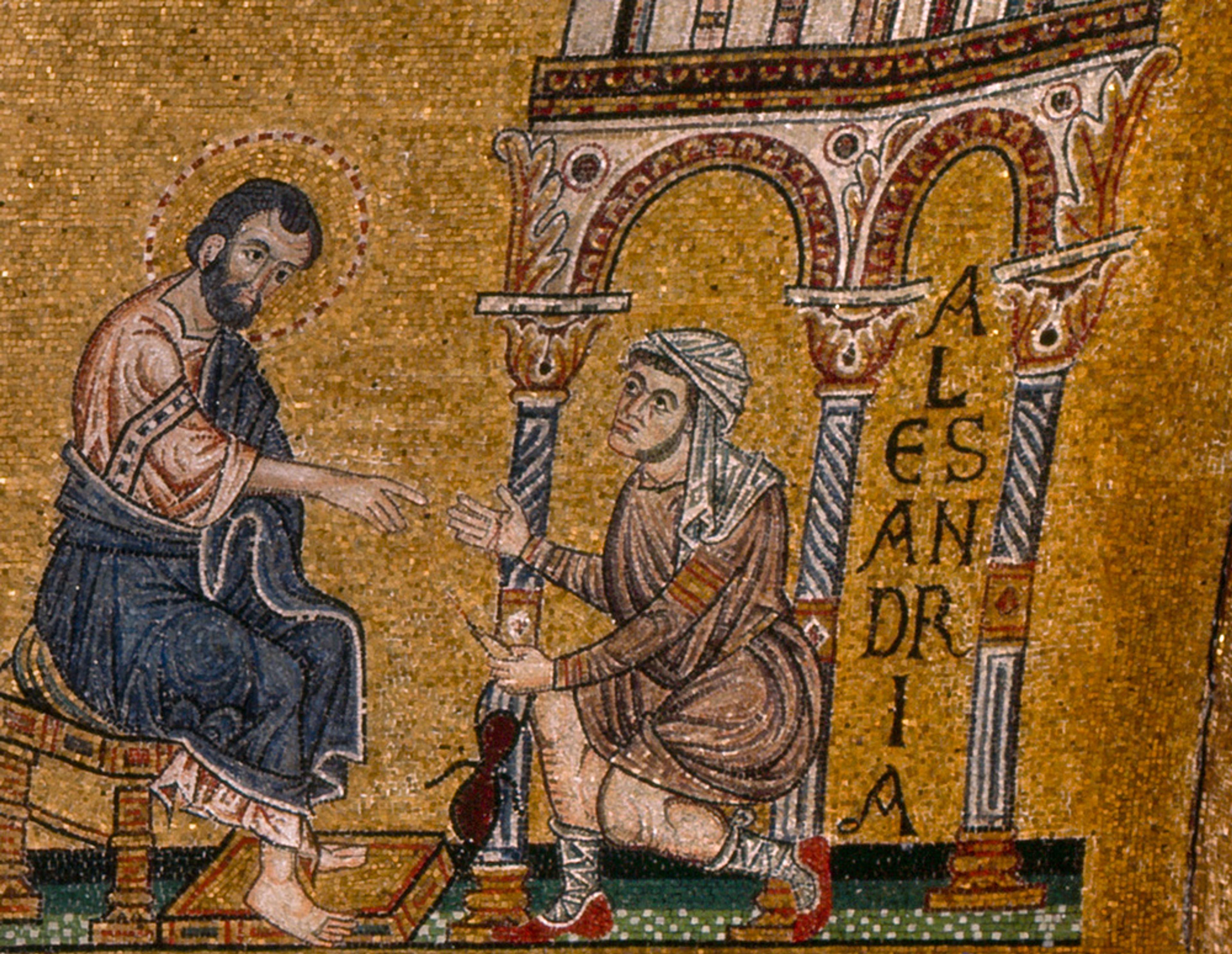
Medieval art didn’t just show bodies—it weaponized them. The human form, rendered in fresco, sculpture, and manuscript, was rarely about anatomy or aesthetics. Instead, it served as a precise instrument of theology and a stage for political authority. From emaciated Christ figures to regal saints with imperial posture, every curve, wound, and gesture carried doctrine, hierarchy, and control.
This wasn’t accidental. In an era where most people couldn’t read, visual representation was the message. The Church and crown used art to encode belief, legitimize power, and regulate behavior. The body—divine, royal, suffering, or idealized—became the central site where spiritual truth and earthly rule converged.
Understanding this fusion reveals why medieval art feels so alien today: it wasn’t meant to reflect reality, but to enforce it.
The Theological Body: Flesh as Divine Language
In medieval Christian thought, the physical body was far more than biological matter—it was a vessel of spiritual meaning. This belief shaped how bodies were drawn, colored, and positioned in art.
Take Christ’s crucifixion. Early medieval depictions often show a triumphant, almost serene Christ on the cross—eyes open, crown in place, body intact. This Christus triumphans wasn’t suffering; he was conquering death. His body, unmarred by agony, communicated theological victory over sin.
By the 12th and 13th centuries, this shifted. Artists began emphasizing Christ’s suffering—the Christus patiens. Wounds gaped, blood flowed, and his body sagged under weight. This wasn’t just artistic evolution. It reflected the rise of affective piety, a movement that urged worshippers to feel Christ’s pain. The body became a conduit for empathy, a means to stir devotion.
This theology extended beyond Christ. Saints’ bodies were shown enduring torture—St. Lawrence on the gridiron, St. Sebastian pierced by arrows—not to glorify pain, but to prove spiritual invincibility. Their physical endurance signaled divine favor. The more the body suffered, the more it demonstrated the soul’s power over flesh.
Even resurrection was bodily. Medieval art rarely depicted souls floating upward. Instead, it showed corpses rising, shrouds falling, feet pressing into earth. The promise wasn’t escape from the body, but its transformation. The resurrected body, glorified and eternal, was central to Christian hope.
The Political Body: Power Sculpted in Stone and Paint
While theology gave the body sacred meaning, politics gave it rank. Medieval rulers understood that imagery could legitimize their rule. And the body—especially the royal or saintly body—was the perfect symbol.
Look at the Coronation of the Virgin in countless altarpieces. Mary is crowned not just as Queen of Heaven, but in the regalia of earthly monarchs—scepter, orb, throne. This wasn’t merely devotional. It mirrored the coronation rituals of kings and queens, reinforcing the idea that divine and royal authority were reflections of each other.
Likewise, images of kings were often placed near Christ or saints. In the Codex Aureus of St. Emmeram, Emperor Charles the Bald is shown receiving a book from Christ himself. His posture mirrors Christ’s—calm, frontal, haloed. The message? His rule is divinely sanctioned. His body, like Christ’s, is sacred.
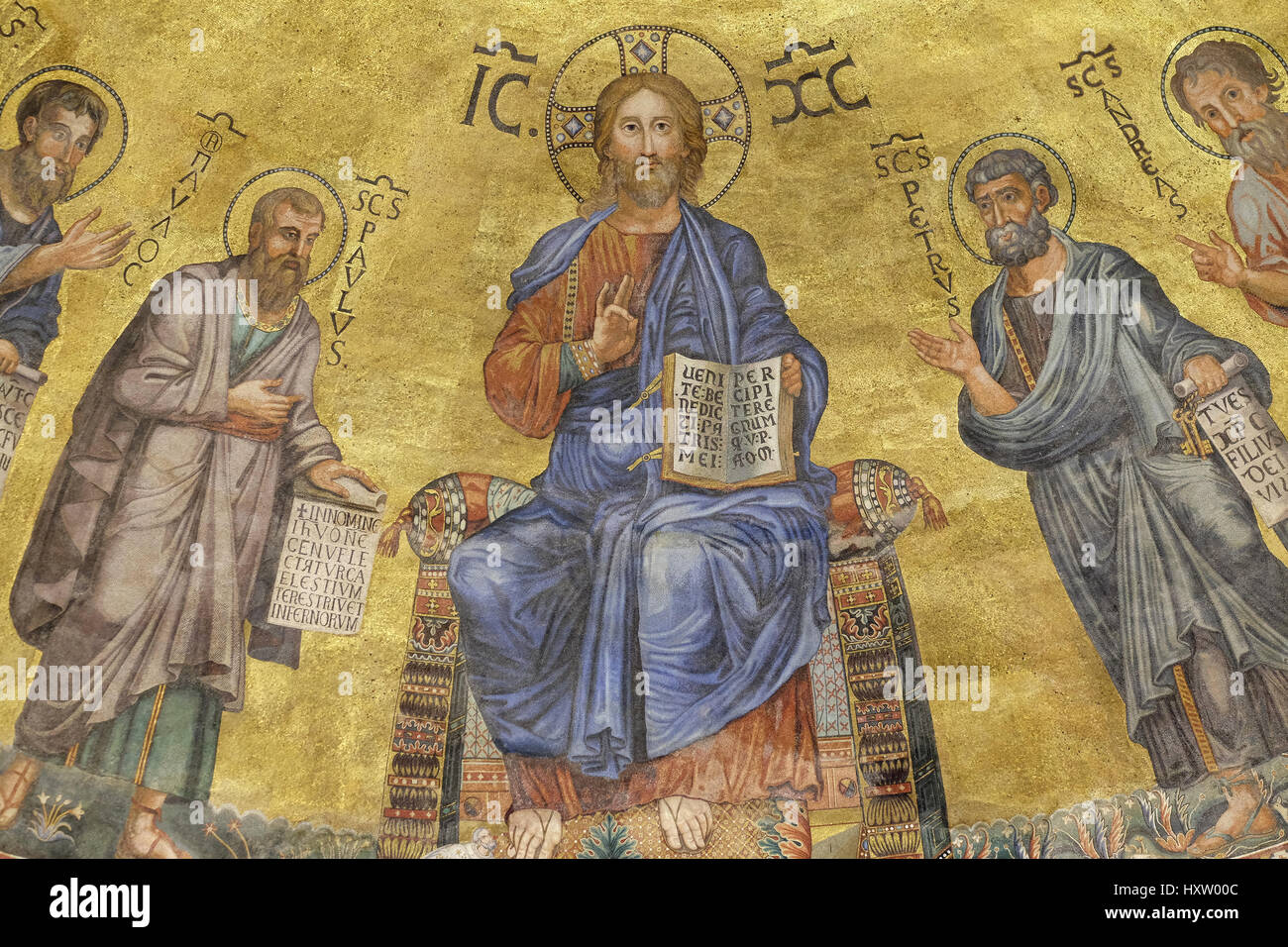
Even relics—bones, hair, fragments of cloth—were treated as political tools. The body of a saint, enshrined in gold and carried in procession, wasn’t just a focus of worship. It was a symbol of civic pride and territorial claim. Cities like Santiago de Compostela or Canterbury built entire economies around the bodies of saints, drawing pilgrims and wealth.
When Henry II walked barefoot to Becket’s tomb after the archbishop’s murder, he wasn’t just apologizing—he was performing penance with his body. The image of a king humbled, whipped, prostrate, was as powerful as any decree. Art preserved this moment, turning royal flesh into political theater.
Gender, Control, and the Female Body
The female body in medieval art was especially contested—a nexus of purity, danger, and divine potential.
Mary, the Virgin Mother, was idealized: serene, veiled, eyes downcast. Her body was paradoxical—source of divine life, yet untouched by desire. In art, she’s often shown with a slender, elongated torso, hands clasped, posture closed. This wasn’t just modesty; it was theological necessity. Her purity made Christ’s divine nature possible.
Contrast this with Eve. In countless Last Judgment scenes, she’s shown at the foot of the Tree, often nude, sometimes with exaggerated sexual features. Her body is the origin of sin, the gateway to death. The Garden isn’t just a place—it’s a narrative about the female form as temptress.
But some women defied this binary. Saints like Catherine of Alexandria or Margaret of Antioch were shown as both virginal and powerful. Catherine debates philosophers; Margaret emerges from a dragon’s belly. Their bodies endure torture but refuse submission. In art, they’re often crowned, haloed, standing firm—signals of spiritual authority that challenged gender norms.
Still, the Church tightly policed female embodiment. Nuns’ bodies were enclosed, their visibility erased. But when they appeared in art—kneeling in donor portraits, receiving visions—their bodies were framed as vessels of divine encounter. Not by choice, but by divine election.
Deformity, Disability, and the Marginalized Body
Not all bodies in medieval art were idealized. Many were distorted, diseased, or monstrous—especially in margins of manuscripts or hellscape frescoes.
These depictions weren’t random. They reflected a worldview where physical form mirrored spiritual state. A twisted limb could signify moral corruption. Lepers, often shown with bandaged faces, were both pitied and feared—living symbols of sin and divine punishment.
Yet some art complicates this. In hospital altarpieces, the sick are shown being cared for by saints or monks. The body, even broken, remains worthy of compassion. Christ himself is sometimes depicted with stigmata so severe they resemble leprosy—bridging the sacred and the suffering.
Disability wasn’t always a metaphor. In the Lindisfarne Gospels, some marginal figures have conditions resembling kyphosis or cerebral palsy. Whether these were observations or stereotypes is debated. But their inclusion suggests that the body’s variance was visible—even if not always accepted.
Artistic Techniques That Enforced Ideology
Medieval artists didn’t just depict bodies—they coded them. Every stylistic choice reinforced theological or political messages.
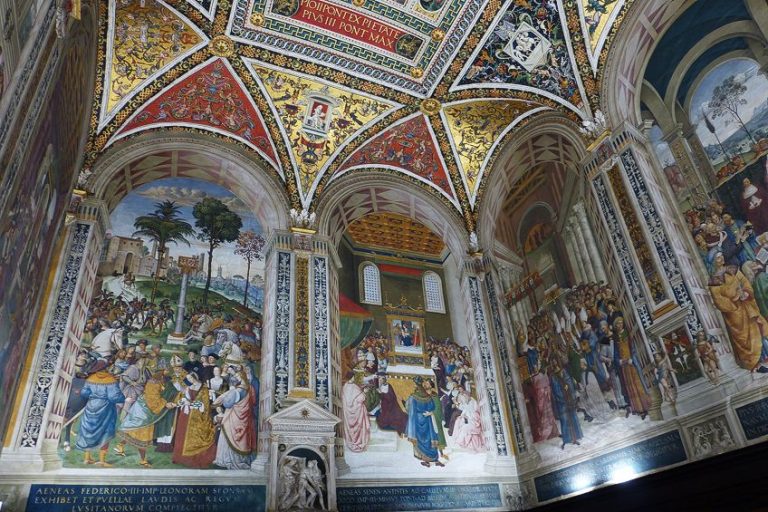
- Hieratic scale: Important figures (Christ, Mary, kings) were made larger than others, regardless of perspective. Size equalled status.
- Color symbolism: Gold halos meant divinity; red signaled passion or martyrdom; blue (expensive lapis) marked Mary’s purity and royal status.
- Frontal gaze: Figures looking straight at the viewer created a sense of presence and authority. You weren’t just seeing them—they were seeing you.
- Posture: Upright, rigid figures radiated power. Slumped, contorted bodies showed suffering or damnation.
These weren’t arbitrary rules. They were visual doctrine. A poorly drawn halo could confuse theology; a king shown smaller than a bishop could imply subordination.
Artists worked under strict guidelines from clergy or patrons. The artes theologicae—rules for religious art—dictated what could be shown and how. This ensured consistency across regions and decades.
The Legacy of the Medieval Body
You don’t have to visit a cathedral to see the medieval body’s influence.
Modern political imagery still uses sacred postures: leaders framed in light, standing atop platforms, surrounded by symbols. Think of presidential speeches with sunlit backdrops—the “halo effect” is no accident.
Religious art, even today, leans on medieval tropes. The crucifix in a Catholic church? Likely shows a suffering Christ, drawing directly from 13th-century innovations in emotional realism.
Even superhero films echo this logic. A hero’s body—invulnerable, scarred, resurrected—mirrors the saint’s journey. Their suffering proves their worth. Their form broadcasts their power.
The medieval fusion of body, belief, and rule didn’t vanish. It evolved.
Seeing the Body Differently
The next time you see a medieval painting—whether in a museum, book, or online—don’t just ask what it shows. Ask what it does.
Why is this body larger? Why is that one bleeding? Who is looking at whom?
Medieval art didn’t depict the body. It deployed it—strategically, systematically, powerfully. To see it clearly is to understand how images can shape minds, enforce doctrine, and crown kings.
Study these works not as relics, but as instruments. The body was never just flesh. It was—and still is—a site of control, devotion, and resistance.
FAQ
Why were medieval bodies often unrealistic? They weren’t meant to reflect anatomy but to convey spiritual or political truths. Proportions and poses served symbolism, not realism.
Did medieval people believe art was magical? Not exactly, but they believed images had power—blessings could flow through them, prayers could be directed to them. They were active, not passive.
How did politics influence religious art? Kings and bishops commissioned art to show divine favor. Coronations, donor portraits, and saintly associations all reinforced political legitimacy.
Were disabled people represented fairly? Rarely. Their bodies were often symbolic—of sin or charity—but real individuals were marginalized, even when depicted.
What role did women play in creating this art? Most named artists were men, but nuns produced illuminated manuscripts and textiles. Their contributions were often uncredited but vital.
Why were saints shown with their torture tools? Attributes like St. Lawrence’s gridiron helped viewers identify saints and remember their stories—visual mnemonics for an illiterate public.
Can we trust medieval art as historical evidence? Only carefully. It reflects beliefs and ideals, not daily life. Use it to understand values, not facts.
FAQ
What should you look for in How Medieval Art Turned the Body into Sacred Power? Focus on relevance, practical value, and how well the solution matches real user intent.
Is How Medieval Art Turned the Body into Sacred Power suitable for beginners? That depends on the workflow, but a clear step-by-step approach usually makes it easier to start.
How do you compare options around How Medieval Art Turned the Body into Sacred Power? Compare features, trust signals, limitations, pricing, and ease of implementation.
What mistakes should you avoid? Avoid generic choices, weak validation, and decisions based only on marketing claims.
What is the next best step? Shortlist the most relevant options, validate them quickly, and refine from real-world results.